Cupping therapy at Cossmedic Wellness & Aesthetics.
CUPPING THERAPY
TACOMA, WA
PROMOTE RECOVERY
AND CIRCULATION.
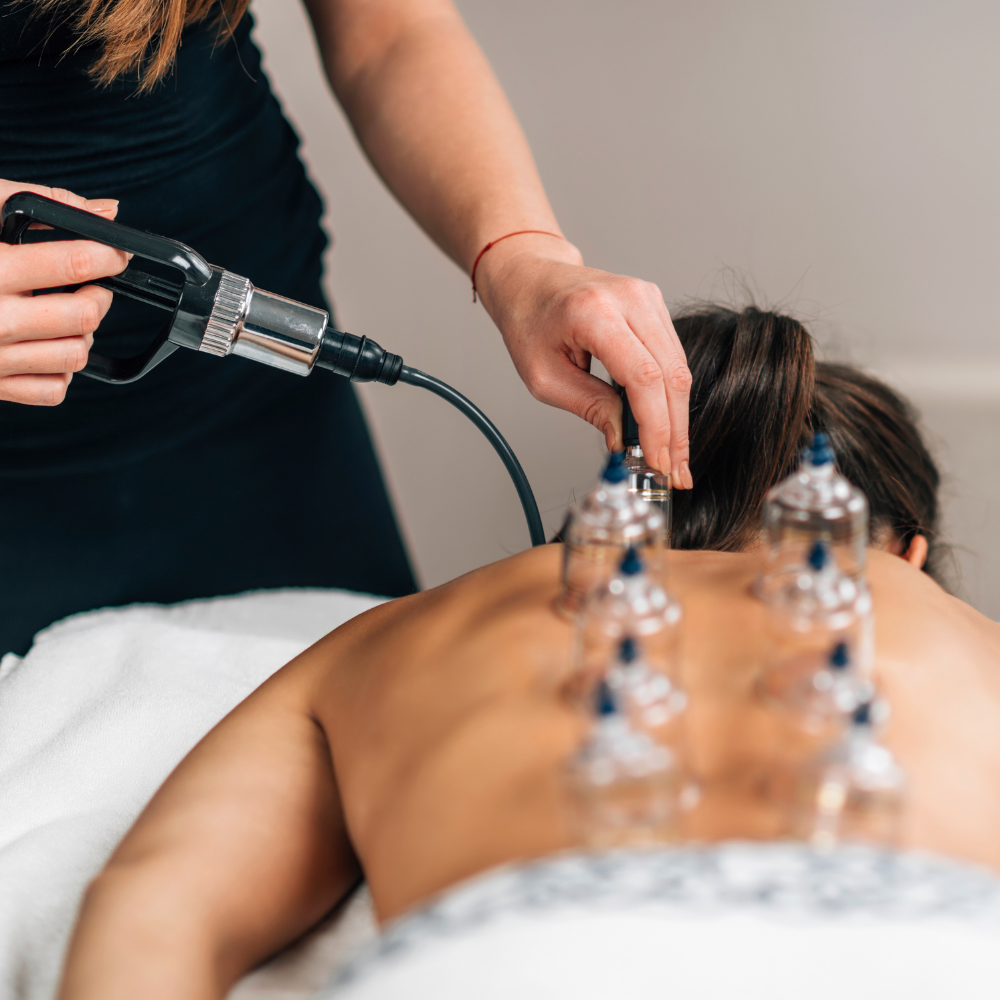
Cupping therapy is a traditional modality used to support circulation, muscle recovery, and overall tissue health through gentle negative pressure applied to the skin. By creating a controlled suction effect, cupping encourages movement within soft tissue and promotes increased blood flow to targeted areas. This process supports the body’s natural repair response and may help relieve tension patterns that develop from stress, repetitive movement, or physical strain.
Cupping therapy is often incorporated into integrative wellness plans to support recovery, improve tissue mobility, and encourage overall balance. At Cossmedic Wellness & Aesthetics, treatments are customized based on individual needs and may complement other wellness or aesthetic therapies.
BENEFITS
Healthy circulation and soft tissue mobility play important roles in recovery, comfort, and overall physical function. Some of the benefits of this treatment are:
- Supports healthy circulation
- Encourages muscle relaxation
- Supports tissue mobility
- May help reduce muscle tension
- Supports recovery following physical activity
- Encourages natural healing processes
- Integrative wellness approach
- Non-invasive therapy option
UNDERSTANDING
THE SCIENCE.
How does cupping therapy work?
Cupping therapy works by placing specialized cups on the skin that create gentle suction. This negative pressure lifts the superficial layers of tissue, encouraging circulation of blood and lymphatic fluid within the treated area. Increased circulation helps deliver oxygen and nutrients to tissues while supporting removal of metabolic byproducts that may contribute to discomfort or tension.
By encouraging movement within connective tissue and muscle layers, cupping may help improve tissue mobility and reduce patterns of restriction. Because circulation and inflammation response are closely connected to recovery processes, cupping is often used to support muscle relaxation and promote overall tissue balance.
Treatment plans are individualized based on areas of tension, recovery goals, and overall wellness needs.
WHAT TO EXPECT
DURING TREATMENT
Your cupping therapy session begins with evaluation of areas experiencing tension or restriction. Cups are applied to targeted areas of the body and left in place for a period of time or gently moved across the skin depending on the treatment approach.
Patients often describe a sensation of gentle pressure or pulling as the cups create suction. Sessions typically last 30–45 minutes depending on the treatment areas.
AFTER TREATMENT
Circular marks may appear temporarily in treated areas due to increased circulation. These marks typically fade within several days.
Many individuals report feeling relaxed and experiencing improved mobility following treatment. With consistent sessions, cupping may support ongoing tissue recovery and comfort.
YOUR BODY HEALING
WITH A LITTLE HELP.
What conditions can cupping therapy treat?
Cupping therapy is often used as part of a comprehensive wellness approach to support circulation, tissue mobility, and muscular recovery. By encouraging movement of blood and lymphatic fluid within targeted areas, cupping helps deliver oxygen and nutrients to tissues while assisting the body’s natural removal of metabolic byproducts that can contribute to tension or discomfort.
Because healthy circulation plays a role in inflammation regulation, muscle function, and tissue repair, this therapy is frequently incorporated into integrative care plans that address multiple concerns at once. Supporting these interconnected systems may help improve mobility, promote recovery following physical activity, and contribute to overall physical balance and resilience over time.
Muscle Tension
Muscle tightness may develop from repetitive movement, physical activity, or stress-related tension patterns. Cupping therapy supports circulation and encourages movement within soft tissue, helping promote muscle relaxation and improved mobility.
Neck and Shoulder Tension
Prolonged sitting, computer work, and repetitive activities may contribute to tension in the neck and shoulders. Cupping supports tissue mobility and encourages improved circulation to areas affected by postural stress.
Back Discomfort
Muscle restriction and tension patterns within the back may contribute to discomfort or limited mobility. Cupping therapy helps support improved circulation within muscle tissue, encouraging relaxation and recovery.
Exercise Recovery
Physical activity places stress on muscle tissue that requires recovery support. Cupping encourages circulation and nutrient delivery that may assist the body’s natural repair processes following exercise.
Inflammation
Inflammatory processes are part of the body’s natural healing response but may contribute to tissue sensitivity when persistent. Supporting healthy circulation may help regulate inflammatory pathways involved in recovery.
Restricted Tissue Mobility
Connective tissue restrictions may influence movement patterns and comfort. Cupping therapy supports movement within fascia, encouraging improved tissue flexibility and mobility.
Schedule a Consultation!
FREQUENTLY ASKED QUESTIONS
Temporary circular marks may occur due to increased circulation within the treated area and typically fade within several days.
Most patients describe the sensation as pressure or pulling rather than pain.
Treatment frequency depends on individual goals and may be recommended as part of a broader wellness plan.
Cupping therapy is generally considered safe when performed by trained providers.
Cupping therapy is often combined with acupuncture, massage, or other wellness therapies.