Acupuncture treatments at Cossmedic Wellness & Aesthetics.
ACUPUNCTURE
TACOMA, WA
HELP YOUR SYSTEMS
CONNECT.
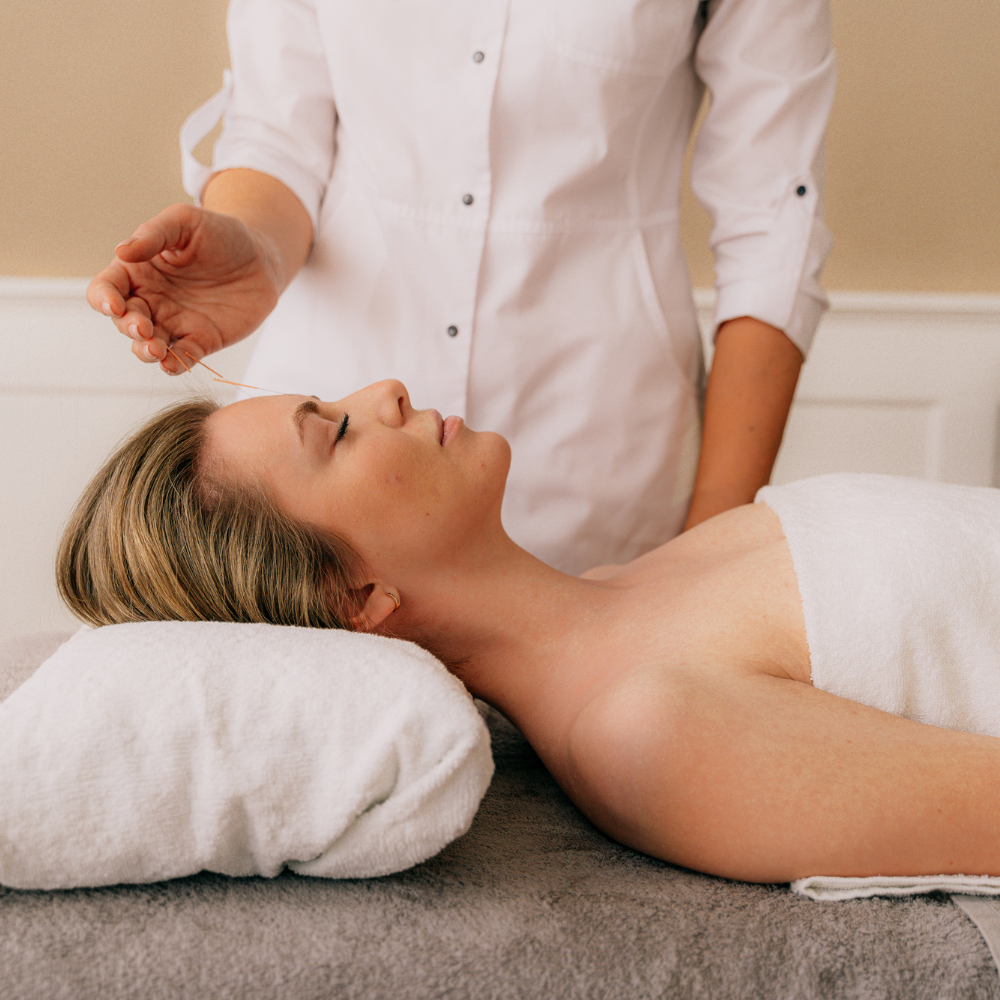
Acupuncture is an integrative therapy used to support balance within the body by encouraging healthy circulation, nervous system regulation, and natural healing processes. Rooted in traditional Chinese medicine and supported by modern research, acupuncture involves the precise placement of very fine needles at specific points on the body that influence communication between physiological systems.
Changes in stress levels, inflammation, muscle tension, hormonal balance, and nervous system activity can influence how the body feels and functions. Acupuncture treatments are designed to support the body’s regulatory processes and promote improved resilience, recovery, and overall well-being.
At Cossmedic Wellness & Aesthetics, acupuncture is incorporated into personalized wellness plans that support both physical and functional health.
BENEFITS
Acupuncture supports the body’s ability to regulate multiple systems simultaneously, helping promote balance, recovery, and improved overall function. Some of the benefits of this treatment are:
- Supports stress regulation
- Encourages healthy circulation
- Promotes nervous system balance
- Supports muscle recovery
- Encourages natural healing processes
- May support improved sleep quality
- Supports overall wellness
- Integrative treatment approach
UNDERSTANDING
THE SCIENCE.
How does acupuncture work?
Acupuncture works by stimulating specific points on the body that influence communication between the nervous system, circulatory system, and connective tissue. These acupuncture points are believed to affect signaling pathways that regulate pain perception, inflammatory response, muscle tension, and stress hormone levels.
Modern research suggests acupuncture may influence the release of neurotransmitters, support blood flow, and encourage regulation of the autonomic nervous system. By helping the body shift toward a more balanced physiological state, acupuncture supports natural healing and recovery processes.
Because the body’s systems are interconnected, acupuncture is often used to support multiple symptoms simultaneously rather than targeting a single isolated concern.
Treatment plans are individualized based on symptoms, health history, and wellness goals.
WHAT TO EXPECT
DURING TREATMENT
Your consultation includes discussion of symptoms, health history, lifestyle factors, and treatment goals. Your provider will determine which acupuncture points may support your individual needs.
Very fine needles are gently placed in targeted areas. Many patients describe the sensation as minimal or relaxing. Sessions typically last 60 minutes depending on the treatment plan.
AFTER TREATMENT
Some individuals report feeling relaxed or balanced following treatment, while others notice gradual changes as the body responds over time. Because acupuncture supports regulatory processes, improvement may develop progressively with consistent treatment.
Treatment frequency varies depending on symptoms and goals.
COMPREHENSIVE
WELLNESS.
What conditions can acupuncture treat?
Acupuncture is often used as part of a comprehensive wellness plan to support the body’s natural ability to regulate inflammation, nervous system activity, circulation, and muscular tension.
By stimulating specific points that influence communication between body systems, acupuncture may help encourage balance within pathways that affect stress response, immune function, and tissue recovery.
Because many symptoms are connected to multiple physiological processes, acupuncture is frequently used to support whole-body regulation rather than addressing only one isolated concern. This integrative approach can complement other medical or wellness therapies by helping the body maintain resilience, adaptability, and improved functional balance over time.
Stress and Anxiety
Chronic stress can influence nervous system balance and increase muscle tension, sleep disruption, and fatigue. Acupuncture supports regulation of the autonomic nervous system, helping shift the body toward a more balanced state that supports relaxation and resilience to stress.
Muscle Tension & Pain
Muscle tension may develop due to repetitive strain, posture patterns, physical activity, or stress-related muscle guarding. Acupuncture may help support circulation and neuromuscular signaling pathways that influence muscle relaxation and tissue recovery.
Headaches or Migranes
Changes in circulation, muscle tension, and nervous system sensitivity may contribute to headache patterns. Acupuncture supports pathways involved in pain signaling and vascular regulation, helping encourage improved comfort and reduced frequency for some individuals.
Sleep Concerns
Sleep cycles are influenced by nervous system activity and stress hormone patterns. Acupuncture supports parasympathetic nervous system activity, which plays a role in promoting restful sleep and recovery.
Inflammation
Inflammation is part of the body’s natural immune response but may contribute to discomfort when persistent. Acupuncture may help support regulatory pathways that influence inflammatory response and tissue recovery.
Digestive Function
Digestive health is influenced by nervous system balance and circulation within the gastrointestinal tract. Acupuncture may support communication between the gut and nervous system, helping regulate digestive function.
Hormone Balance Support
Hormones are regulated through complex signaling pathways between the brain and endocrine system. Acupuncture may support neuroendocrine communication that influences hormonal regulation as part of an integrative approach.
Fertility Support
Circulation and hormone signaling both influence reproductive health. Acupuncture is sometimes incorporated into fertility-supportive care to encourage balanced physiological function.
Chronic Fatigue
Persistent fatigue may be influenced by stress response patterns, sleep quality, and nervous system regulation. Acupuncture supports the body’s restorative processes that influence overall energy balance.
Schedule a Consultation!
FREQUENTLY ASKED QUESTIONS
Most patients describe minimal sensation or a mild pressure feeling.
Treatment frequency depends on symptoms and individual response.
Acupuncture has been studied for its influence on nervous system signaling, circulation, and inflammatory response.
Some individuals notice changes quickly, while others experience gradual improvement with consistent treatment.
Acupuncture is often used alongside other wellness therapies as part of an integrative care plan.
Acupuncture is generally considered safe when performed by qualified providers.